The short answer
Test a private well at least once a year for total coliform bacteria, nitrate, total dissolved solids and pH, then add tests for anything you suspect, such as iron, manganese, hydrogen sulfide or arsenic. Use a state-certified lab, and test again right away after flooding, a repair, or a change in odor, color or taste. The results decide which treatment makes sense, so run the test before you buy any filter.
Test first at a state-certified lab (EPA advises yearly testing for coliform, nitrate, TDS and pH). Sources: EPA private wells; Nebraska Extension G1714; Penn State Extension.
This guide is based on EPA and university extension publications and the limits they publish. Once you have results, the iron filter guide and the well water softener guide show what each iron level calls for.
Why a private well needs its own test
Public water systems must meet EPA’s health-based limits and report their results to customers. A private well works differently. EPA’s primary drinking water rules apply to public water systems, and EPA does not regulate private wells. Nobody checks your well on a schedule unless you arrange it, so the yearly test is your job. Your local health department can often explain the testing options in your area and point you to a certified lab.
The yearly core tests
EPA’s core list has four items. Each one tells you something different.
- Total coliform bacteria. This is an indicator group. A bacteria result in a well needs follow-up, and the health department should hear about it. EPA’s goal for E. coli is zero.
- Nitrate. The federal limit is 10 mg/L as nitrogen. That limit is written for public systems, but it is the number most people use when they read a well report. Carbon filters do not remove nitrate. Reverse osmosis can reduce it.
- Total dissolved solids (TDS). EPA’s secondary standard is 500 mg/L. It is an aesthetic guideline for taste and staining, not an enforceable health limit.
- pH. The secondary range is 6.5 to 8.5. Water outside that range can be hard on plumbing, and the pH affects how well some iron treatments work. Chlorine bleach works best for iron at pH 6.5 to 7.5, and most methods work best near pH 7.
Ask the lab to report each number in the units shown here, so you can compare the result with the limit directly.
Tests to add based on what you notice
The core list will not catch everything. Add tests when a symptom, a stain or the local geology points to a problem.
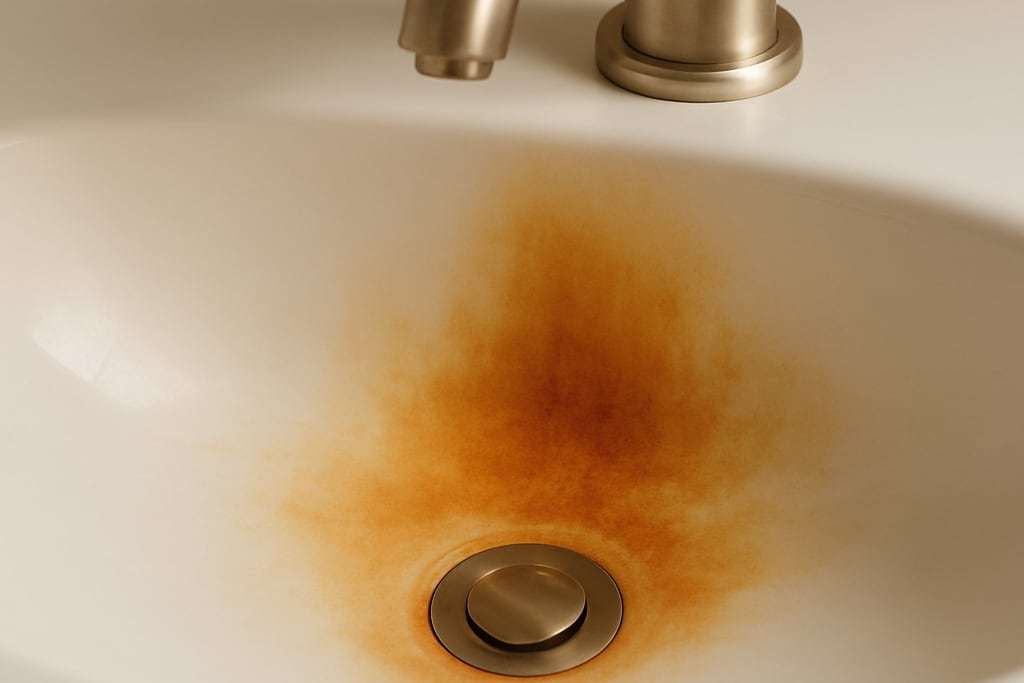
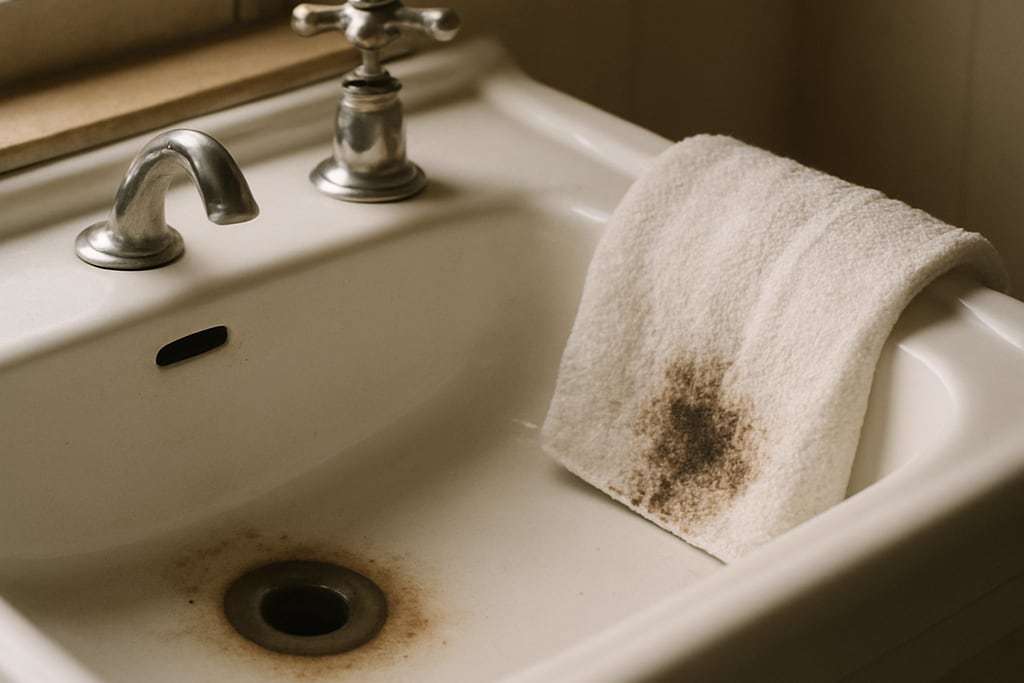
- Iron and manganese. EPA’s secondary levels are 0.3 mg/L for iron and 0.05 mg/L for manganese. Iron is not considered a health hazard at those levels, but it stains fixtures and laundry. Nebraska Extension advises a lab test for dissolved iron versus total iron before you choose equipment, because clear iron and reddish, already-oxidized iron need different treatment. If you see black or brownish-black stains, the manganese guide explains the numbers to ask for.
- Hydrogen sulfide. The rotten-egg smell comes from hydrogen sulfide. There is no drinking-water standard for it, and most people can smell it well below 0.5 mg/L. Penn State advises testing for it on site or with a stabilized sample, and asking the lab which method it uses.
- Hardness. Hardness is mostly calcium and magnesium. A lab reports it in mg/L, and home tests often use grains per gallon (gpg). One gpg is about 17 mg/L. The number matters if you are thinking about a softener, since softeners are sized from it.
- Arsenic. EPA’s arsenic limit is 0.010 mg/L for public systems. Arsenic is a health-based contaminant, so it cannot be judged by smell or taste. If a test shows arsenic, ask the lab and your health department about treatment, and choose a system certified for arsenic. Check the listing for the exact claim.
- Lead and copper. These usually come from household plumbing rather than the well itself, so test water drawn at the tap. For public systems, EPA’s action levels are 15 ppb for lead and 1.3 mg/L for copper.
Lab test or home kit
A lab test gives a number you can compare with a limit. A home kit gives a quick color or strip reading, and that is often enough to tell you a question is worth asking. Use kits for a quick check only. For any result you plan to act on, use a state-certified lab. Ask the lab which tests it runs, whether it reports a detection limit, and how it wants the sample collected and shipped, since hydrogen sulfide and bacteria both change in the bottle.
When to test again
Test right away after flooding, after a well or pump repair, after work near the well, or after a change in odor, color or taste. Test more often when a vulnerable person lives in the home. Keep every report you receive. A series of results shows whether a number such as nitrate is rising, and a single result does not.
Reading the results
Compare each number with its limit and check which kind of limit it is. A health-based limit, such as the one for bacteria or nitrate, calls for quick action and a call to the health department. A secondary level, such as iron or hardness, is usually a treatment question rather than an emergency. Bring the full report to the person who quotes the equipment, so the choice matches the actual numbers.
| Result | Usual next step | Read next |
|---|---|---|
| Bacteria present | Health department advice, then a disinfection step such as UV after pretreatment, then a retest | UV for well water |
| Nitrate above 10 mg/L | Reverse osmosis can reduce nitrate; carbon cannot | Best water filter for well water |
| Iron or manganese above secondary levels | Iron-specific treatment, or a softener only if the iron is under that unit’s rated limit | Iron in well water |
| Rotten-egg smell | Carbon at low levels, oxidation at higher levels, chlorination at the highest | Sulfur smell in water |
What a test cannot tell you
A test is a snapshot of one sample on one day. A clean result does not cover a new crack in the well casing, a failing pump, or a flood next month. Ask labs in your area for their current fees and turnaround times before you order.
Next steps
Pick the problem your results show, then read about the treatment that fits it. The best water filter for well water guide compares systems by problem, and the iron in well water page explains how iron changes the choice. If the result shows bacteria, the UV purifier guide explains what UV needs before it can work.
Frequently asked questions
How often should I test my well water?
EPA advises testing a private well once a year for total coliform bacteria, nitrate, total dissolved solids and pH. Test more often if a young child, an older adult, or a pregnant or nursing person lives in the home. Test right away after flooding, a repair, or any change in how the water looks, smells or tastes.
Can I use a home test kit instead of a lab?
Use a state-certified lab, as EPA advises; kits are for a quick check only. A kit can flag a problem between lab tests, but do not buy a treatment system on kit numbers alone.
Does my city's water report cover my well?
No. EPA's primary drinking water rules apply to public water systems, and EPA does not regulate private wells. A well owner tests and treats the water, so a utility report tells you nothing about the water coming from your own well.
What should I do if a test shows bacteria?
Call your local health department before the water is used for drinking, cooking or brushing teeth, and follow its advice on next steps. Carbon filtration does not remove bacteria, and reverse osmosis alone is not recommended for bacteria, so a bacteria result calls for a disinfection step and a retest after treatment.
Is a carbon filter enough if my well has iron or sulfur?
It depends on the level and the type. Carbon handles taste, odor and some hydrogen sulfide at low levels, but it does not remove hardness or nitrate, and it is for water that is already microbiologically safe. Use the lab results to pick between carbon, an oxidizing iron filter, and aeration.