The short answer
A rotten-egg smell in water usually comes from hydrogen sulfide gas, and where the smell shows up tells you the likely cause. If it is only in hot water, the water heater's anode rod is the usual source. If it is at every tap, the hydrogen sulfide is in the well water itself. A lab test settles which one you have, because the right treatment depends on the level, not on how strong the smell is.
Test first at a state-certified lab (EPA advises yearly testing for coliform, nitrate, TDS and pH). Sources: EPA private wells; Nebraska Extension G1714; Penn State Extension.
This page covers how to tell the two causes apart, how to test, and which fix matches which level. It is based on extension guidance and manufacturer documents, not on our own testing of equipment.
Hot water only, or every tap?
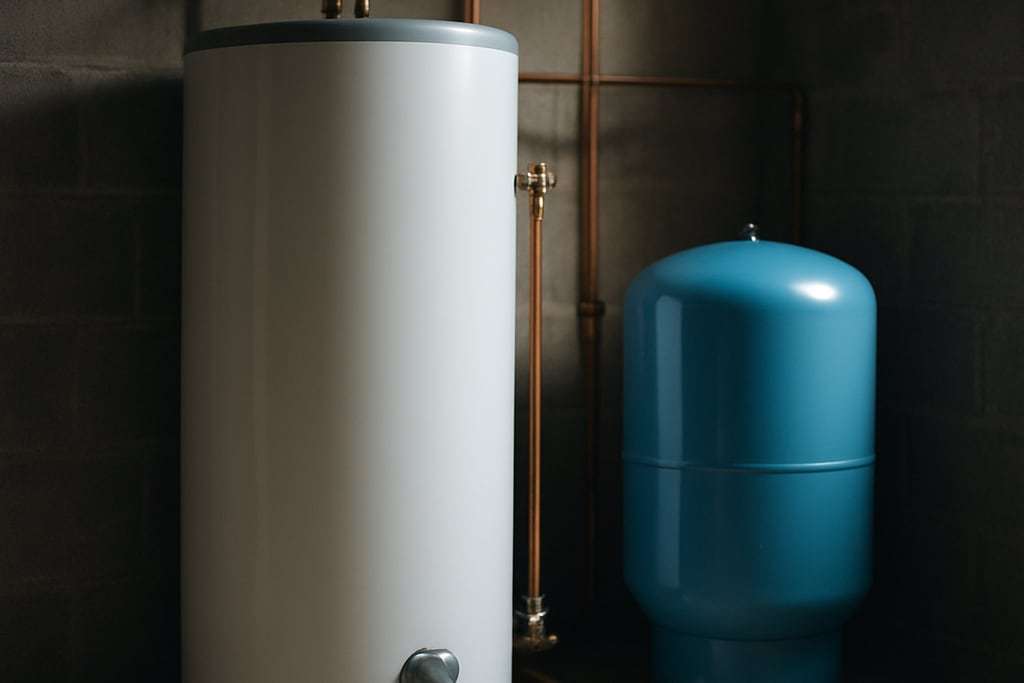
Run the cold tap first. If cold water smells normal and only the hot water smells, the cause is most likely the water heater. Penn State Extension says a magnesium anode rod in the heater can produce the smell, and that an aluminum rod can fix it. A water heater technician or plumber can check and replace the rod, and local code and the manufacturer’s guidance decide how that work is done.
If the smell is at every tap, including cold water, the hydrogen sulfide is in the supply. In wells it usually comes from sulfur-reducing bacteria that live in low-oxygen groundwater. Penn State notes this is common in shale and sandstone wells. A water heater fix will not touch this problem.
Test the level before you treat it
The lab number matters more than the smell. Most people can detect hydrogen sulfide well below 0.5 mg/L, and there is no drinking water standard for it, so a strong smell does not mean a high level, and a faint smell does not mean the problem is small. Hydrogen sulfide gas escapes quickly from a sample, so it has to be tested on site or in a stabilized sample. Ask the lab which method it uses.
Ask for iron, manganese and pH at the same time. Those change the treatment. Dissolved iron, for example, shifts the choice between filters and softeners. The full list of tests for private wells is in our well water testing guide. EPA also advises an annual test for bacteria, nitrates, total dissolved solids and pH, and a new test after any change in how the water looks, smells or tastes.
Match the fix to the level
Penn State Extension sets out the common options by level. The table below is a summary, and the lab’s numbers should decide which row applies. The chemical routes in the last two rows (chlorination or permanganate, each with contact time and filtration after) are professional systems that start above about 6 mg/L, so a faint smell does not justify them. At that level a well contractor can design the contact time and the carbon stage that removes leftover chlorine.
| Hydrogen sulfide level | Common approach |
|---|---|
| Below about 1.0 mg/L | Activated carbon filtration, roughly 1.0 to 1.5 cubic feet of carbon |
| Up to about 2 mg/L | Aeration, normally not used above about 2 mg/L |
| Up to about 2 to 3 mg/L | Oxidizing filter with manganese greensand |
| Above about 6 mg/L | Continuous chlorination with filtration, at least 20 minutes of contact and a carbon stage after |
| Above about 6 mg/L | Continuous potassium permanganate, with 15 minutes of contact |
Penn State adds one condition for catalytic carbon: it needs at least 4.0 mg/L of dissolved oxygen in the source water to work on hydrogen sulfide. Ask the lab for dissolved oxygen if you plan to use catalytic carbon.
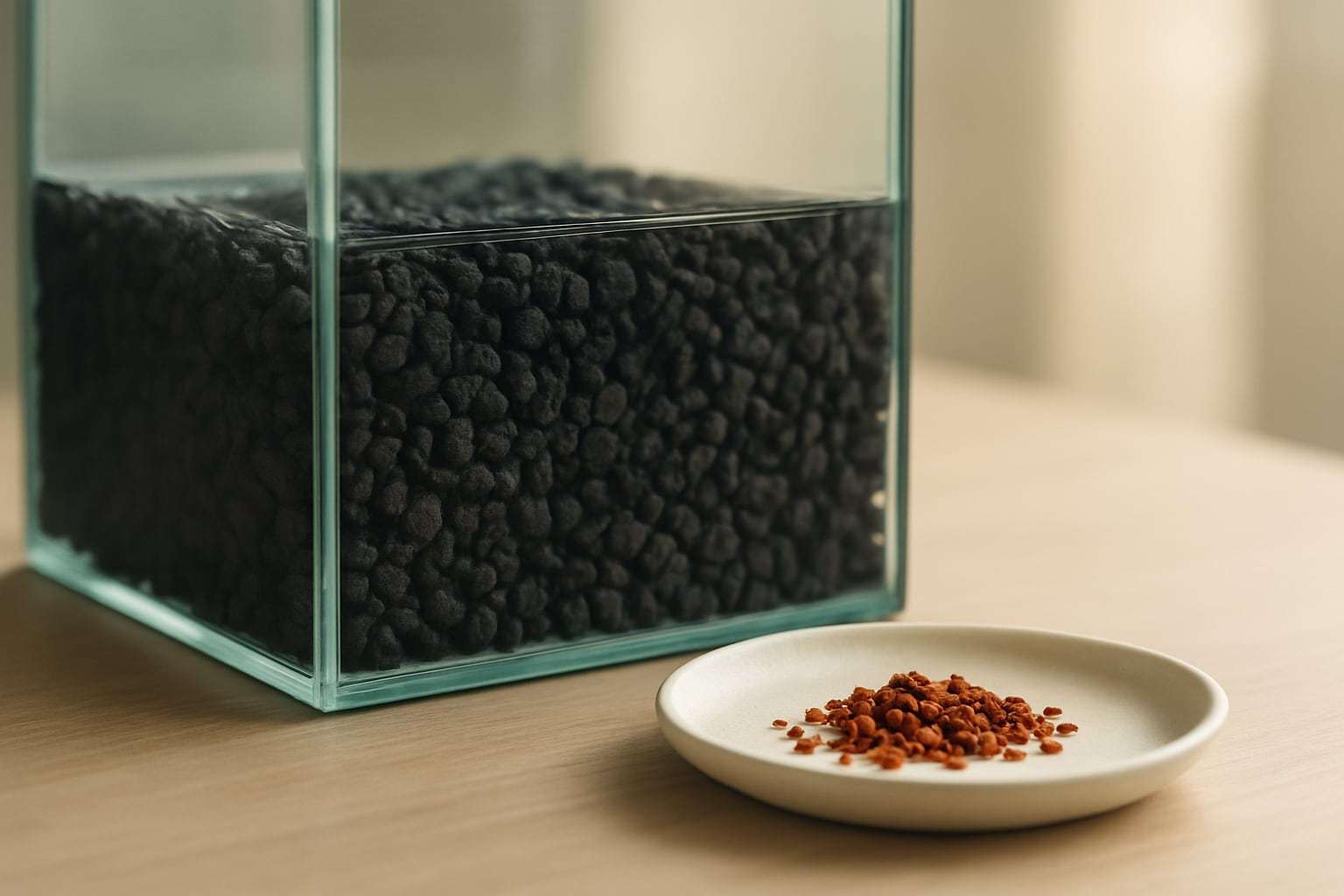
Carbon is the most familiar option, but it has limits. A carbon bed can channel, which means water finds a path around the media, so a filter that looks big enough on paper can still perform poorly. Carbon also needs a long contact time with the water, so the flow rate you choose matters as much as the tank size. University of Georgia Extension says activated carbon removes taste and odor, including hydrogen sulfide, and that carbon can grow bacteria and release organics, so it belongs only on water that is already microbiologically safe. For the iron filter types and their ratings, see our iron filter guide.
After treatment: confirm it worked
Once a system is installed, retest rather than trusting your nose. A repeat hydrogen sulfide result shows whether the number dropped, and the same lab visit can recheck iron, manganese and pH, since those can change which treatment keeps working. Then fold the well into EPA’s yearly routine: an annual test for bacteria, nitrates, TDS and pH, plus a new test whenever the smell, color or taste changes again. If the level sits close to a boundary in the table, such as 1 mg/L for carbon, ask the contractor which row they designed for and why.
Mistakes that keep the smell
- Treating the smell before testing. A filter bought on smell alone may be the wrong type for the level.
- Blaming the water heater when cold water also smells. The anode rod explains hot water only.
- Using carbon above its range. Penn State puts carbon below about 1.0 mg/L.
- Reading an iron filter’s rating as a sulfur answer. Some iron filters list a sulfide rating, but the number is the maker’s, so compare it with your test.
- Skipping the bacteria test. Sulfur smell is not a bacteria test, and a well with bacteria needs its own treatment.
Picks and products
For sulfur and iron together, the air-injection filters in our iron filter guide are the usual answer. SpringWell’s WS line (from $2,100) is rated for hydrogen sulfide up to 8 ppm, and the Fleck iron filter in Mid Atlantic Water’s $3,995 package is rated up to 10 ppm, while Penn State puts manganese greensand at 2 to 3 mg/L. The makers’ figures are higher than the extension figure, so ask for the test data behind a rating before you rely on it, and compare it with your own lab number.
Installation and local rules
Any change to a well, its pressure system or a water heater should be done by a licensed professional, and local code decides what needs a permit. This page explains causes, tests and treatment levels, but it is not a repair guide. For a well, start with a licensed well contractor. For the heater, start with a plumber or water heater technician.
Frequently asked questions
Is hydrogen sulfide in drinking water dangerous?
The main problems are smell and taste. Penn State Extension says there is no drinking water standard for hydrogen sulfide, and most people smell it well below 0.5 mg/L. Get the level tested rather than judging by the smell, and ask your local health department about any other concern.
Why does only my hot water smell like rotten eggs?
Penn State Extension names the water heater's magnesium anode rod as a cause when the smell is only in hot water, and says an aluminum rod can fix this. Run the cold tap first: if it smells fine, the heater is the likely source.
Does chlorine remove the rotten-egg smell?
Chlorine can, at higher levels. Penn State Extension says continuous chlorination followed by filtration is most often used above about 6.0 mg/L, with at least 20 minutes of contact time and a carbon stage after it to remove the extra chlorine.
Will a carbon filter remove sulfur smell?
It can at lower levels. Penn State Extension puts carbon filtration below about 1.0 mg/L, which takes roughly 1.0 to 1.5 cubic feet of carbon. Carbon helps with taste and odor, but it is only for water that is already microbiologically safe, according to University of Georgia Extension.
How do I test for hydrogen sulfide?
Hydrogen sulfide gas escapes quickly, so it has to be tested on site or in a stabilized sample. Ask the lab which method it uses, and ask for iron, manganese and pH at the same time, because those change which treatment works.