The short answer
For a well with some clear-water iron, start with the SoftPro Elite HE well softener, from $1,327: SoftPro states it handles hardness plus clear-water iron up to 3 ppm and offers a 6-month money-back guarantee. If your iron test is above 3 ppm, or the water runs red or smells of sulfur, pair it with an iron filter such as the SoftPro Iron Master, from $1,517.
We earn a commission when you buy through some links on this site, at no extra cost to you. It never changes what we recommend.
Our picks
SoftPro Elite HE softener for well water (32,000 to 64,000 grains)
Salt-based softener
States hardness plus clear-water iron up to 3 ppm for the softener alone, from $1,327, with a 6-month money-back guarantee.
- Capacity32,000, 40,000, 48,000 or 64,000, chosen at checkout
- Well pump flow options6-7, 8-10 or 11+ GPM, chosen at checkout
- CertificationPage shows an 'NSF / WQA / ANSI Certified' badge but names no standard or model listing
Listed price$1,327 (32,000 grains, softener only); $1,397 (48,000); $1,477 (64,000)
Check price at SoftProSpecs & trade-offs
For more iron or a sulfur smell, SoftPro pairs it with its iron filter.
- Capacity (grains)
- 32,000, 40,000, 48,000 or 64,000, chosen at checkout
- Iron limit (softener only)
- Hardness plus clear-water iron up to 3 ppm, no odor
- Well pump flow options
- 6-7, 8-10 or 11+ GPM, chosen at checkout
- Resin and valve
- 10% high-capacity resin; downflow control valve; brine tank with safety float; 1 in plumbing
- With an iron filter
- Bundle with the AIO Iron Master from $2,827 (32,000 grains, 6-7 GPM well)
- Warranty
- Limited lifetime on the control valve and essential components; 6-month money-back guarantee with no restocking fee
- Certification
- Page shows an 'NSF / WQA / ANSI Certified' badge but names no standard or model listing
- Publishes an iron limit (clear-water iron up to 3 ppm), which most softener pages do not
- Can be bought with an iron filter in one order, sized to your well pump flow
- 6-month money-back guarantee, free shipping in the US
- The 3 ppm limit covers clear-water iron only; red-water iron or a sulfur smell needs the iron filter, which adds about $1,500
- The certification badge does not say which standard applies
- Tank dimensions and flow rate are not published on the page
Fleck 5600SXT 48,000-grain softener, 1.5 cu ft
Salt-based softener
The seller's stated iron limit is about 1 ppm; above that it says an iron filter goes first.
- Capacity48,000 grains rated; about 45,000 at 15 lb salt and about 36,000 at 9 lb (seller's rating)
- Flow rate12 GPM service (the Fleck 5600SXT valve alone is rated 20 GPM continuous)
- Size and weight34 in wide x 63 in tall x 19 in deep; about 124 lb shipping weight
Listed price$1,995
Check price at Mid Atlantic WaterSpecs & trade-offs
5-year valve and 10-year tank warranty. $1,995.
- Capacity
- 48,000 grains rated; about 45,000 at 15 lb salt and about 36,000 at 9 lb (seller's rating)
- Resin and mineral tank
- 1.5 cu ft of 10% crosslink resin; 10 in x 54 in tank; brine tank included
- Flow rate
- 12 GPM service (the Fleck 5600SXT valve alone is rated 20 GPM continuous)
- Salt and water per regeneration
- About 7 lb salt; about 25 to 50 gallons water
- Size and weight
- 34 in wide x 63 in tall x 19 in deep; about 124 lb shipping weight
- Iron limit
- Dissolved (clear-water) iron up to about 1 ppm; above that an iron filter goes first
- Warranty
- 5 years on the valve, 10 years on the mineral tank, 5 years on the brine tank
- Metered valve that dealers and installers commonly use; parts are easy to find
- Free shipping to the lower 48 states and a free phone consultation on sizing before you order
- Published iron limit is only about 1 ppm, so most iron wells need a separate iron filter first
- No third-party softener certification is listed
- Plumber recommended; drain tubing, fittings and salt are not included
SoftPro AIO Iron Master (air-injection iron filter, Katalox media)
Air-injection iron filter
SoftPro pairs its softener with this air-injection filter, rated for iron up to 30 ppm, from $1,517.
- Sizes and minimum well flow1.0 cu ft needs at least 5 GPM; 1.5 cu ft at least 7 GPM; 2.0 cu ft at least 10 GPM (for backwash)
- Media and methodKatalox Light with air-injection oxidation; no chemicals, salt or permanganate
- Rated removalIron up to 30 ppm (larger units or a dual setup may be needed at the high end); manganese up to 7 ppm; hydrogen sulfide
Listed price$1,517 (1.0 cu ft); $1,757 (1.5 cu ft); $1,897 (2.0 cu ft)
Check price at SoftProSpecs & trade-offs
It needs 5, 7 or 10 GPM of well flow to backwash.
- Rated removal
- Iron up to 30 ppm (larger units or a dual setup may be needed at the high end); manganese up to 7 ppm; hydrogen sulfide
- Sizes and minimum well flow
- 1.0 cu ft needs at least 5 GPM; 1.5 cu ft at least 7 GPM; 2.0 cu ft at least 10 GPM (for backwash)
- Media and method
- Katalox Light with air-injection oxidation; no chemicals, salt or permanganate
- Other
- Raises low pH; filters sediment down to 3 microns; 1 in programmable valve with automatic backwash
- Placement
- Installs ahead of the softener so iron does not reach the resin
- Higher published iron rating (30 ppm) than SpringWell's WS filter (7 ppm), and a lower entry price ($1,517 vs starting at $2,100)
- No chemicals to refill
- Needs enough well flow to backwash (5, 7 or 10 GPM depending on size)
- The 30 ppm figure is SoftPro's own rating; no independent certification is shown
- Does not soften, so hard water still needs a softener after it
| Model | Best for | Type | Listed price |
|---|---|---|---|
| SoftPro Elite HE softener for well water (32,000 to 64,000 grains) | Best for a well with some clear-water iron | Salt-based softener | $1,327 (32,000 grains, softener only); $1,397 (48,000); $1,477 (64,000) |
| Fleck 5600SXT 48,000-grain softener, 1.5 cu ft | Best for a well with very little iron | Salt-based softener | $1,995 |
| SoftPro AIO Iron Master (air-injection iron filter, Katalox media) | Best iron filter to add when the iron is higher | Air-injection iron filter | $1,517 (1.0 cu ft); $1,757 (1.5 cu ft); $1,897 (2.0 cu ft) |
Get a lab test for iron first, because the iron number decides the purchase. A softener removes hardness, and the same resin can take some dissolved iron, but the limit differs by unit. Of the softeners we looked at, only SoftPro and the Fleck seller print an iron figure, which is why they are the picks. Their limits are the sellers’ own, so treat them as ratings to hold the seller to, not as test results. Compare more models on the comparison page.
Why the iron limit changes the choice
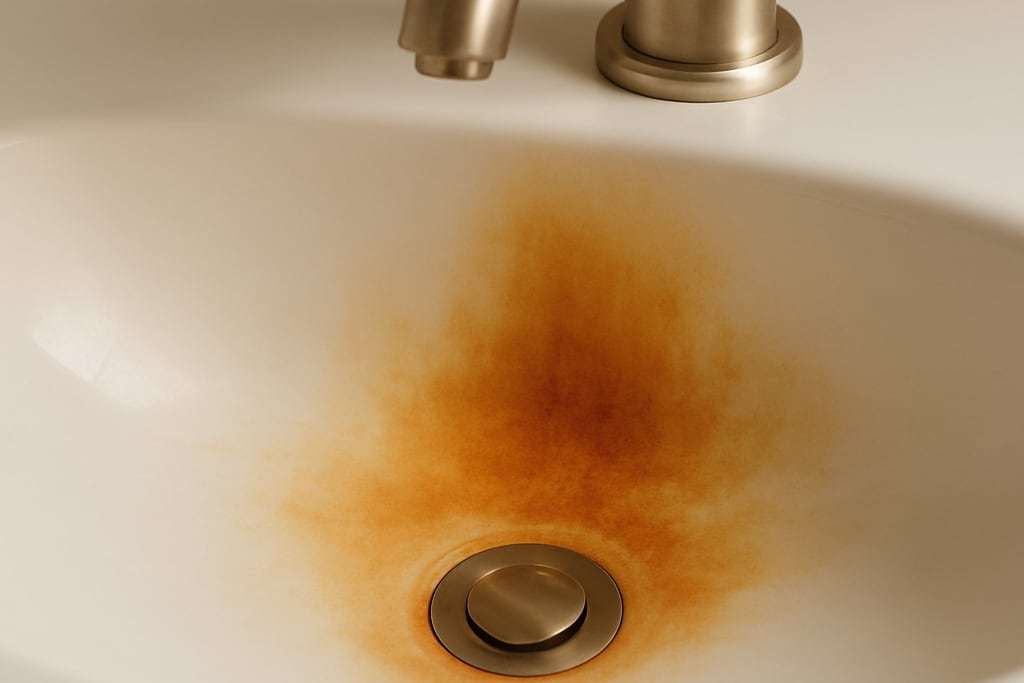
Iron comes in two forms that behave differently. Dissolved, or ferrous, iron is clear when drawn and turns reddish-brown when it meets air. Oxidized iron is already red and in particles. Penn State Extension says oxidized iron clogs softener resin, so it has to be filtered out first. Nebraska Extension says ion exchange can handle dissolved iron below about 5 mg/L and manganese below 0.5 mg/L, and that water must not touch air or chlorine before it reaches the softener.
Extension guides and sellers do not agree on the number, and the table shows the spread:
| Source | Iron limit given | What to take from it |
|---|---|---|
| Nebraska G1714 | Dissolved iron below about 5 mg/L; manganese below 0.5 mg/L | Manufacturer limits typically fall between 0.5 and 5 mg/L |
| Nebraska G1491 | 5 to 10 ppm total iron plus manganese | Check the manufacturer’s rating; above 5 ppm can reduce effectiveness |
| NDSU Extension | Up to 10 ppm | Confirm the unit’s own limit |
| SoftPro Elite HE | Clear-water iron up to 3 ppm | Seller’s rating for the softener alone |
| Fleck 5600SXT (Mid Atlantic Water) | About 1 ppm of dissolved iron | Seller’s rating; above that an iron filter goes first |
Because the numbers differ, the only number that counts is the rated limit on the softener you are buying, so get it in writing. If you are not sure what form your iron takes, the iron in well water guide explains clear versus red iron. If your lab reports more iron than the limit, the answer is an iron filter first, not a bigger softener. Our iron filter guide compares the filters.
Keep air and chlorine away from the resin
When iron is present, the order of equipment matters. Nebraska’s guide says the water must not touch air or chlorine before the softener. Where iron is high, the extension approach is a multi-stage system: chlorinate to oxidize iron and kill iron bacteria, filter the particles, add carbon to strip out excess chlorine, and then soften. A system like that is designed by a professional, not assembled from a shopping list. Local code and a licensed plumber or well contractor decide the layout.
Sediment matters too. Turbid water can clog resin, and iron buildup means more frequent backwashes and periodic cleaning of the brine tank, according to Penn State and NDSU. A cheap sediment stage ahead of everything helps; see our sediment filter guide.
Size the softener for iron, with a rule of thumb
Softener sizing starts with three numbers: gallons of water per person per day, the number of people, and the hardness in grains per gallon. Penn State’s method multiplies those to get grains of hardness per day, and then divides the unit’s capacity by that figure to get the days between regenerations. Penn State’s example uses 75 gallons per person per day, four people and 10 grains per gallon. That is 3,000 grains per day, so a 20,000-grain unit regenerates about every 6 or 7 days.
Iron adds to the load. A common installer rule of thumb is to add about 5 grains of hardness for each 1 ppm of dissolved iron. The extension guides do not give this rule, so treat it as a planning estimate. Using the same household and 10 grains of hardness, a well with 2 ppm of iron becomes about 20 grains of equivalent hardness. That is 6,000 grains per day, so a 48,000-grain unit would regenerate about every 8 days.
Our water softener size calculator walks through the same arithmetic, so you can run your own numbers. Some installers add a reserve margin on top, and they do not agree on the amount. The capacity on a salt-based unit also depends on the salt dose, so compare grains at the same setting.
What regeneration costs in water and salt
Each regeneration uses about 50 gallons of water, according to Penn State and Nebraska, and the brine can load a septic system, as the septic system softener guide explains. Metered units regenerate only when needed, which is generally more efficient than a fixed timer. The Fleck 48,000-grain unit lists about 7 lb of salt and 25 to 50 gallons of water per regeneration. SoftPro offers its Elite softener in 32,000, 40,000, 48,000 and 64,000 grains, with well pump flow options of 6-7, 8-10 or 11+ GPM chosen at checkout.
How to choose among the three picks
Start with the iron number from the lab test.
- Iron up to 1 ppm, clear water: the Fleck 48,000-grain unit at $1,995 is within its stated limit, with a 5-year valve and 10-year tank warranty. You pay more than for the SoftPro because the Fleck is sized for 2 to 4 people.
- Iron up to 3 ppm, clear water, no sulfur smell: the SoftPro Elite at $1,327 for 32,000 grains ($1,397 for 48,000) states that it covers this on its own, with a 6-month money-back guarantee and no restocking fee.
- Iron above 3 ppm, red water, or a sulfur smell: add the SoftPro Iron Master ahead of the softener. It is rated for iron up to 30 ppm and starts at $1,517. The pair is sold as a bundle from $2,827. Your well pump must deliver at least 5 GPM for the smallest filter to backwash.
Then check the warranty. SoftPro lists a limited lifetime warranty on the control valve and essential components. The SoftPro page shows an “NSF / WQA / ANSI Certified” badge without naming a standard, so do not assume the softener is certified to NSF/ANSI 44; ask SoftPro which listing applies. Tank dimensions and flow rate are not published on the SoftPro page either, so ask for them if your pipe size matters.
Who should skip a softener on a well
- High iron with no pre-filter. A softener alone is the wrong tool for iron above its limit.
- Water with bacteria. A softener does not treat bacteria. Test first, as explained in our well water filter guide.
- Anyone who needs sodium or potassium limited. Softened water adds sodium, and potassium chloride costs more and is less efficient. Ask a doctor if you have a medical reason to limit either one.
- Anyone who wants softened water and no salt. Salt-free conditioners convert hardness rather than remove it. SpringWell’s FutureSoft page says iron must be 0 ppm and that soap will not lather as it does with a salt softener.
Buying mistakes to avoid
- Buying by grain capacity alone. Check the salt setting, the flow rate and the iron limit with the number.
- Skipping the iron test. Without a lab number you cannot tell which of these picks fits.
- Undersizing for water use. Use the household size and the iron-adjusted hardness, not the cheapest unit.
- Putting the iron filter after the softener. The filter goes first so iron does not reach the resin.
Installation and local rules
Read the maker’s manual for the drain, power and bypass requirements before you buy, so you know what the installer will need. The Fleck seller recommends a plumber, and drain tubing, fittings and salt are not included. Local plumbing code and a licensed plumber decide where and how any softener connects, and whether a permit is needed. For the full cost picture see the installation cost guide.
Frequently asked questions
What iron level can a water softener handle?
It depends on the unit. Nebraska Extension says dissolved iron below about 5 mg/L, NDSU says up to 10 ppm, and the sellers here are lower: SoftPro states clear-water iron up to 3 ppm and the Fleck seller states about 1 ppm. Use the number printed for the unit you are buying, and add an iron filter first if your iron is above it.
Will a softener remove rust-colored iron?
Not well. Penn State Extension says oxidized, red iron clogs the resin, so it needs filtering before the softener. Clear iron that has not yet turned red is the kind a softener can take, within the unit's limit.
Do I need an iron filter and a softener?
Often yes, when the iron is above the softener's limit and you also want softened water. Put the iron filter ahead of the softener. The order matters because air and chlorine can change dissolved iron before it reaches the resin. SoftPro sells the Elite softener and the Iron Master filter as a bundle, from $2,827.
How much salt does a well softener use?
It depends on the unit and the salt setting. The Fleck 48,000-grain unit lists about 7 lb of salt and 25 to 50 gallons of water per regeneration, with its capacity changing between about 36,000 grains at 9 lb of salt and about 45,000 at 15 lb. Compare grains and salt together.
Does a softener add sodium to drinking water?
Yes. Softening adds about 8 mg/L of sodium for each grain of hardness removed, so 10 grains adds about 80 mg/L. NDSU suggests leaving one tap, usually the kitchen, unsoftened. If you limit sodium or potassium for a medical reason, ask your doctor.
Can a salt-free conditioner handle iron?
No. SpringWell says its FutureSoft conditioner needs iron at 0 ppm, and conditioners do not remove hardness. Iron needs a filter, and hardness needs a softener.
Sources
- Penn State Extension: Water softening
- NDSU Extension: Water softening by ion exchange
- University of Nebraska Extension: NebGuide G1714, iron, manganese and sulfur
- University of Nebraska Extension: NebGuide G1491, home water softeners
- SoftPro: Elite HE water softener for well water
- Mid Atlantic Water: Fleck 5600SXT 48,000-grain softener