The short answer
A UV purifier treats bacteria, viruses and cysts as water passes a lamp, but it does not remove chemicals, and it only works on clear water. Before you buy one, test the well for bacteria and check iron, manganese, hardness, turbidity and tannins against the unit's limits, adding sediment filtration where needed. For bacteria treatment, look for an NSF/ANSI 55 Class A rating, and plan to replace the lamp about once a year.
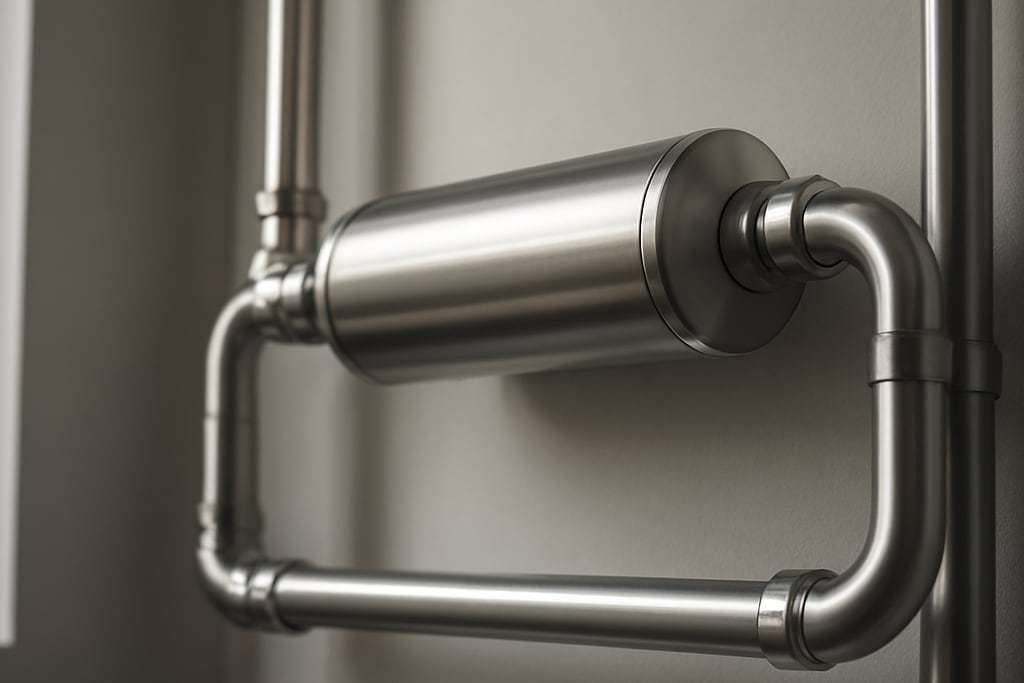
A UV purifier is a lamp in a chamber that the water flows past. It is aimed at bacteria, viruses and cysts that a well can carry, and it adds no chemicals. It can be a useful step after a bacteria result, but it is only one step. Its performance depends on water clarity, on the lamp’s output, and on the pre-filtration in front of it. Test the well first, match the unit’s ratings to the water, and treat UV as part of a system rather than a stand-alone fix.
This page is based on standards summaries, extension material and manufacturer pages, not on our own testing of any unit. The well water filter guide names two UV options, a $1,036 add-on and a $3,498 all-in-one.
What UV does and does not treat
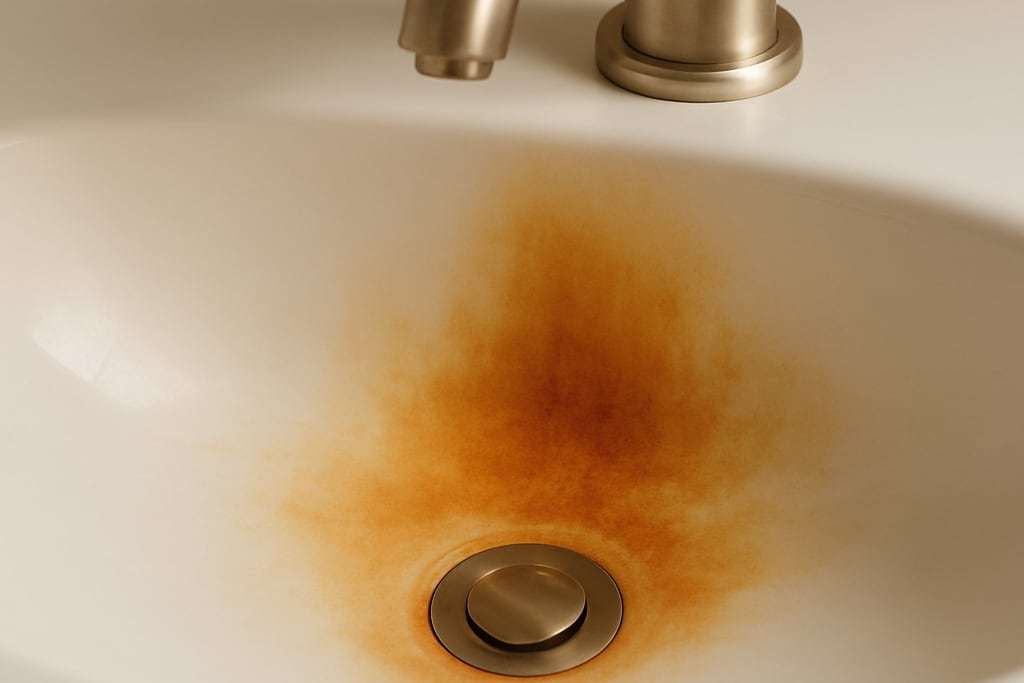
UV is a disinfection step. It is meant for the biological risks in well water, so it fits a result that shows bacteria. It does not remove the other things a well may contain. UV does not take out hardness, nitrate, arsenic, or the chemicals that give water a taste or odor. Iron in the water is a different problem: it can coat the quartz sleeve and block the light, so a UV unit fed high-iron water will not perform as rated.
A UV step does not replace testing. Bacteria are usually found with a lab test, and once a unit is installed, the water should be retested to confirm the treatment is working.
Why clear water comes first
Water clarity decides whether UV can reach the organisms. SpringWell’s UV page lists hardness under 7 gpg, iron under 0.3 ppm and tannins under 0.1 ppm for its unit. Vendor guidance adds turbidity around 1 NTU. These numbers come from vendors, not from a standard, so read them as a checklist and confirm them with the manual.
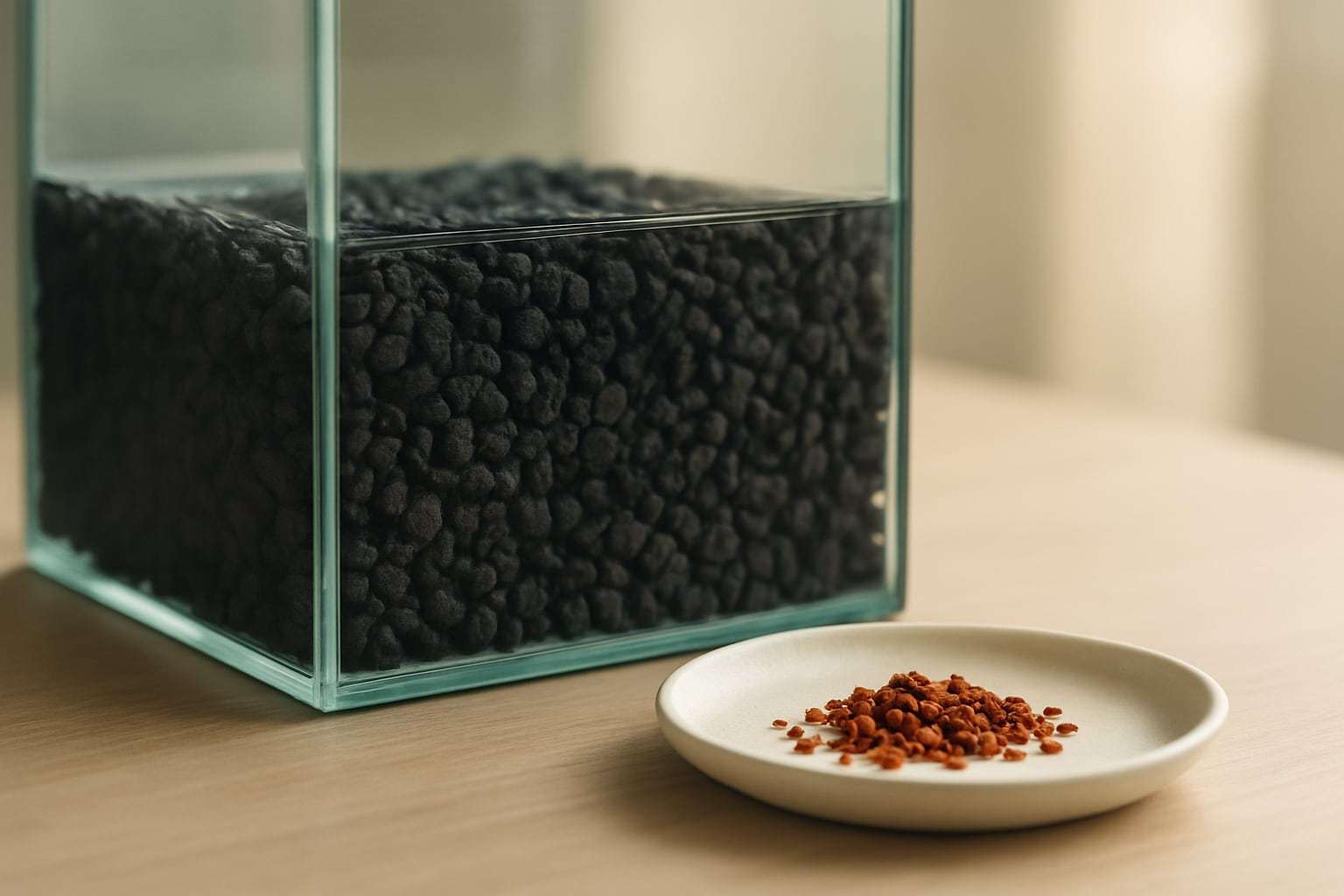
Iron and manganese are common well problems and the main threat to UV performance. They absorb UV light and scale the quartz sleeve, so they need to be dealt with before the lamp. The UV maker’s manual sets the exact order of steps for its unit.
NSF/ANSI 55 classes
NSF/ANSI 55 is the standard that covers UV systems. It defines two classes, and the difference matters for what a seller can claim.
| Class | UV dose | Intended use |
|---|---|---|
| Class A | At least 40 mJ/cm2 at 254 nm | Water assumed to be contaminated; can carry microbiological health claims |
| Class B | 16 mJ/cm2 | Supplemental treatment of water that is already disinfected |
Aquasana sells its UV add-on as NSF/ANSI 55 Class B, which is useful information, but it should not be read as a complete answer for untreated well water. Read the class on the spec sheet before you compare prices. If you are treating bacteria in a well, a Class A unit is the rating to ask about.
Sizing by flow
A UV unit must be rated for the flow your home uses at peak, not the average. SpringWell’s UV unit is rated up to 15 GPM. The flow-rate guide gives typical fixture numbers: showerheads about 1.5 to 3 GPM, bathroom faucets 1 to 2, kitchen faucets 1.5 to 2.2 and washing machines 2 to 5. Pipe size also limits flow. A 3/4-inch line can cap what the house receives, even when the unit is rated higher.
Check whether a brand’s number is a service flow or a peak flow. Brands often list both, and they differ. Quote only the number that matches your peak use.
Where UV sits in a well system
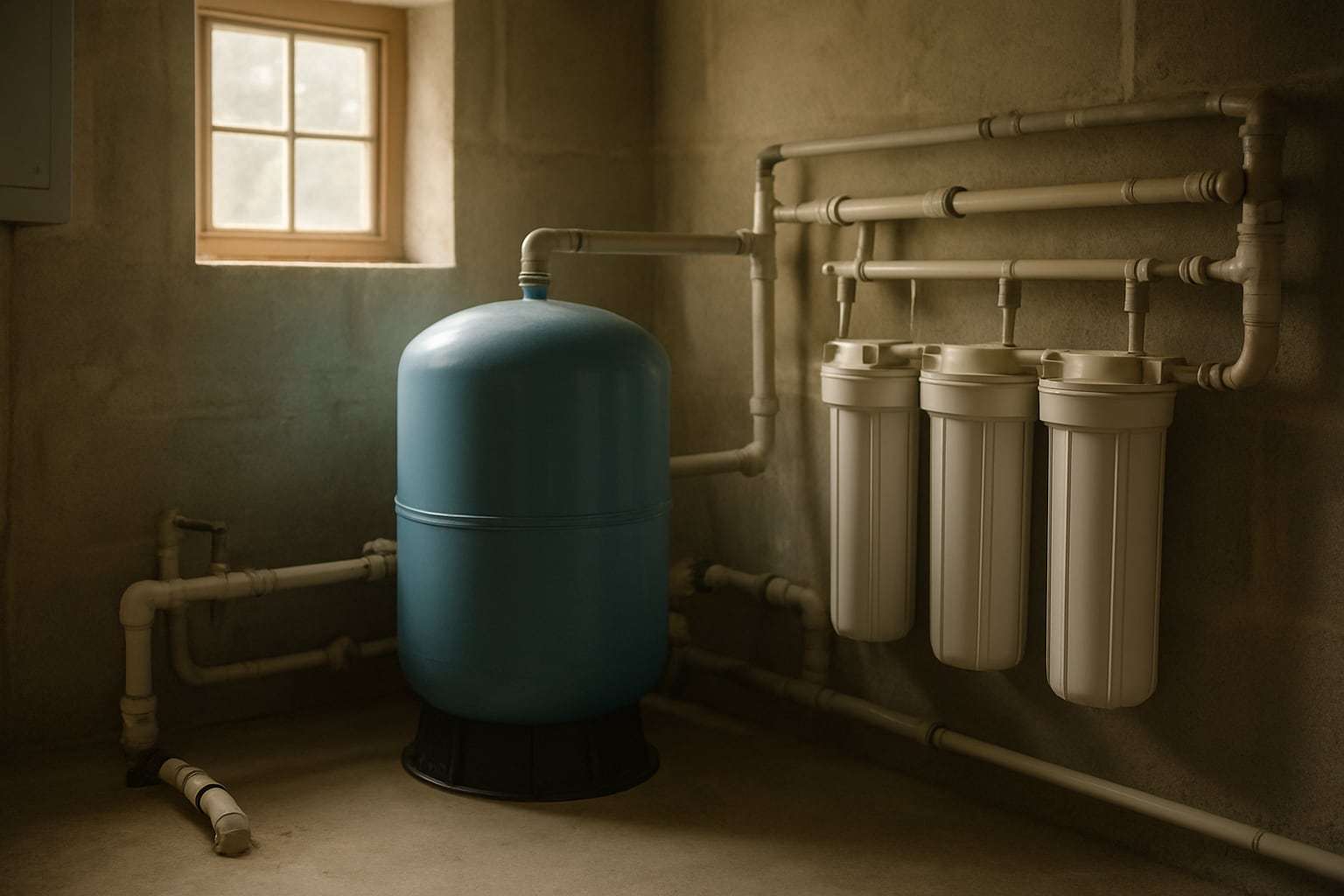
A UV unit usually sits near the end of the treatment line, after the sediment stage and any iron treatment. It treats the water that the earlier stages have already cleaned, which is why the pre-filter list on a UV spec sheet matters so much. It belongs after the equipment that changes the water’s clarity. The unit’s manual sets the exact order, and a plumber confirms the spot against local code.
Lamp and sleeve upkeep
The lamp is the part that needs regular replacement. SpringWell calls for a lamp change every 365 days, and lists the lamp at $118.65 and the quartz sleeve at $83.99. Vendor guidance says to clean the sleeve every six to 12 months. Budget for the lamp each year, and treat the sleeve as a periodic cost.
Running a unit past its lamp schedule means the water is no longer treated the way the unit was rated, so put the date on a calendar when the unit goes in.
Specs to check before you buy
Before you pay, ask the seller for the NSF/ANSI 55 certificate for the exact model, the dose rating, the electrical draw and the replacement part numbers in writing. SpringWell’s page does not give the dose, an NSF listing or the power use, so ask for them. The Aquasana Rhino Well Water with UV ($3,498) lists the UV filter as Class B. If the seller cannot provide the paperwork, look at another unit.
Who a UV unit suits and who should skip it
A UV unit suits a well owner whose test shows bacteria, whose water is clear enough after pre-filtration, and who will retest and replace the lamp on time. It also suits a household that already has a sediment step and knows its flow rate.
It is the wrong first purchase for a well with unknown water quality. Skip UV as a stand-alone fix if the test shows chemicals, nitrate or arsenic, because UV does not treat those. Skip it, too, if you cannot keep up with lamp and sleeve upkeep, since a lapsed lamp leaves the water untreated.
Buying mistakes to avoid
- Buying UV before testing. Without a lab result you cannot tell whether UV is the right step.
- Skipping pre-filtration. Iron, manganese and turbidity reduce UV performance.
- Choosing by the word “purifier.” Check the class, the dose and the flow.
- Forgetting the lamp. The lamp and sleeve are running costs, not one-time parts.
- Treating a bacteria result with UV alone. Work with the health department on immediate steps, then retest after the system is running.
Next steps
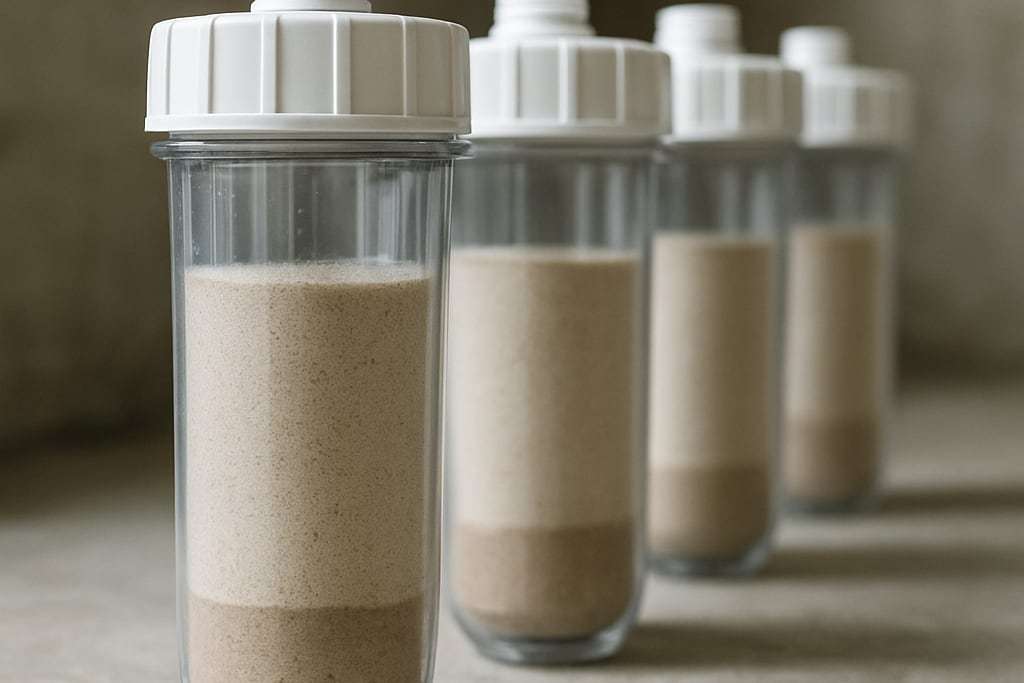
For the whole treatment picture, read the best water filter for well water guide, which matches systems to each problem. If your water test is not back yet, the well water testing page explains which tests to order. If your water has iron or manganese, treat it before UV: see the best iron filter for well water and iron in well water guides. The sediment filter for well water guide covers the particle stage in front of the lamp.
Frequently asked questions
Does a UV light make well water safe to drink?
Not on its own. A UV unit is one step in a treatment setup, and it only works when the water is clear enough for the light to reach the organisms. Test the well first, add the pre-filtration the unit's manual requires, and retest after installation. Health advice for a bacteria result comes from your local health department.
What is the difference between NSF/ANSI 55 Class A and Class B?
Class A requires a UV dose of at least 40 mJ/cm2 at 254 nm and is meant for water assumed to be contaminated, so it can carry microbiological health claims. Class B requires 16 mJ/cm2 and is meant for supplemental treatment of water that is already disinfected. A Class B label does not make untreated well water safe.
How often does the UV lamp need replacing?
SpringWell's UV page calls for a lamp replacement every 365 days and lists the lamp and quartz sleeve as separate parts. Vendor guidance says to clean the quartz sleeve every six to 12 months. Write the replacement date on the unit and follow the schedule in the maker's manual.
Can UV remove iron or chemicals?
No. UV does not remove chemicals. Iron and manganese absorb UV light and can coat the quartz sleeve, so they need treatment before the UV stage. Chemicals call for a different tool, such as carbon or reverse osmosis, chosen from your test results.
What water limits should I check before buying?
SpringWell's UV unit lists hardness under 7 gpg, iron under 0.3 ppm and tannins under 0.1 ppm, and vendor guidance adds turbidity around 1 NTU. These are vendor limits rather than standards, so use the numbers in your unit's own manual and compare them with your lab report.