The short answer
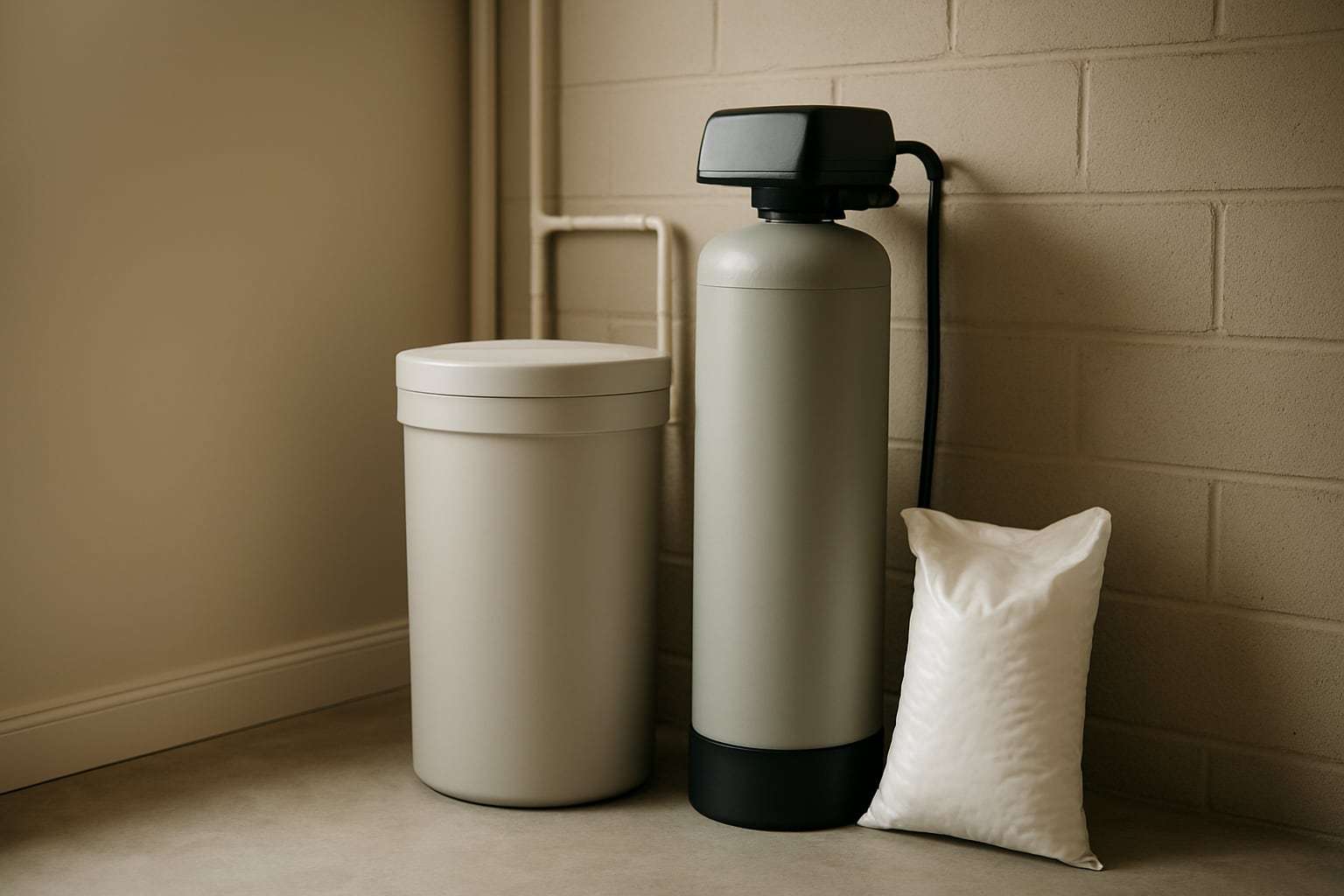
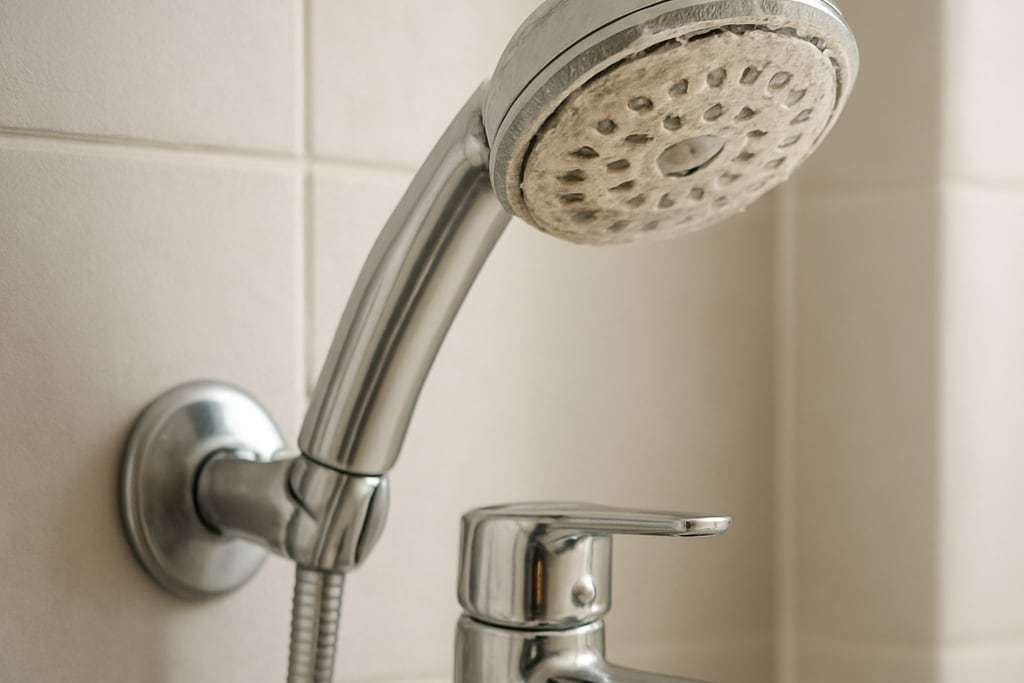
Hard water leaves scale, and scale is the reason people pair a softener with a tankless water heater. The heater maker sets the hardness limit and it differs by brand, so ask yours for its maximum in writing. Measure your hardness and iron first. A softener removes hardness; a salt-free conditioner does not, so it only fits if the maker accepts hard water treated that way.
Hard water leaves scale, and scale is the concern when you put a tankless water heater on a hard-water supply. A softener can remove the hardness before it reaches the heater. But the heater’s maker sets the water-quality rules in its manual and warranty, and those differ from one brand to the next, so the first job is to ask your maker for its limit in writing. This guide covers what to measure, what to ask, and how softeners and conditioners compare.
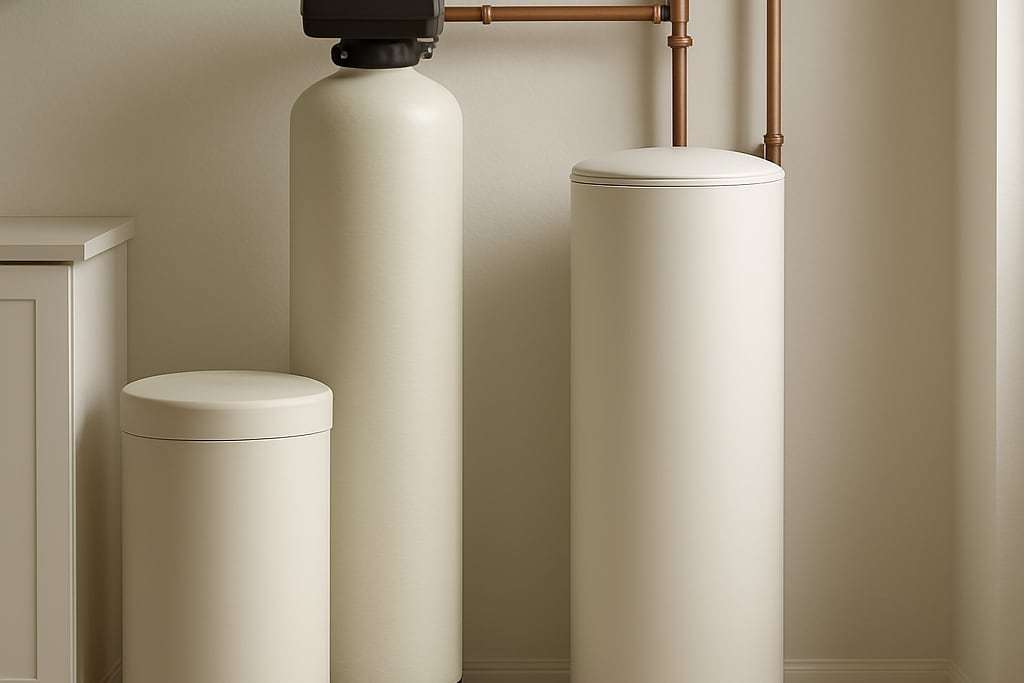
It is based on extension guidance and manufacturer pages, not on our own testing of any unit. For a softener to pair with the heater, start with the Fleck 5600SXT 48,000-grain at $1,995 in the best water softener guide. Local code and a licensed plumber decide how any equipment is installed.
Step 1: Measure hardness
Start with a number. One grain per gallon (gpg) is about 17 parts per million, so divide ppm by 17 to convert. Nebraska Extension and Penn State group hardness this way: under 1 gpg is soft, 1 to 3.5 is slightly hard, 3.5 to 7 is moderately hard, 7 to 10.5 is hard, and over 10.5 is very hard.
The city utility can give you a hardness figure. If you have a private well, use a state-certified lab. The hard water treatment guide explains the bands in more detail, and the hardness converter turns a lab report in ppm into grains.
Step 2: Measure iron and manganese
Iron is the next thing to check, because it changes which equipment works. Standard softeners handle some dissolved, clear iron, but the limit belongs to the unit. Nebraska Extension says ion exchange works for dissolved iron below about 5 mg/L, and NDSU says up to 10 ppm. Those figures disagree, so use the rated limit printed for the exact softener you are considering.
Iron that has already turned red or reddish-brown must be filtered before the softener, because Penn State says oxidized iron clogs softener resin. Manganese has its own limit, about 0.5 mg/L for ion exchange according to Nebraska Extension. If either number is above a softener’s limit, treat the iron first. The iron in well water guide shows the treatment ladder by level.
Step 3: Get the heater’s limits in writing
This step matters most. Look in the heater’s manual and warranty for a maximum hardness, iron or other water-quality rule, and write the figures down. If the manual gives no hardness limit, email the maker and ask three things: what hardness it accepts, whether it accepts softened water, conditioned water or untreated water, and how that affects the warranty.
A written answer protects you, because warranties often depend on water conditions. SpringWell’s own softener warranty, for example, is void if water or maintenance conditions are not met, and heater makers can have similar terms. Keep the reply with your receipt.
Step 4: Softener or conditioner
Both devices are sold as scale protection, but they work differently, and the heater’s rules decide which one fits.
| Salt-based softener | Salt-free conditioner | |
|---|---|---|
| Removes hardness minerals | Yes, by ion exchange | No; minerals stay in the water |
| What it does to scale | Removes the calcium and magnesium that form it | Aims to make scale-resistant crystals; scale claims are the brand’s |
| Fits a heater that calls for soft water | Yes, if your hardness is within the softener’s rating | No, because hardness stays in the water |
| Salt, drain and water | Uses salt; about 50 gallons of water per regeneration | No salt, drain line or backwash (SpringWell FutureSoft) |
| Sodium | Adds about 8 mg/L per grain per gallon removed | None added |
| Typical installed cost (Bob Vila) | $500 to $3,000 | $800 to $4,000 |
| Maintenance | Salt top-ups, resin care, regular service | Media replacement; SpringWell lists a 5+ year media life |
The softener’s main advantages are that it actually removes hardness and that NSF/ANSI 44 certifies that job. Its trade-offs are salt to buy, drain water, sodium in the water (a kitchen tap can be left unsoftened), and a septic load that Penn State flags. The conditioner has no salt or drain, but spots and scale-forming minerals are still in the water, and Nebraska Extension says there are no standardized residential tests for how well these devices cut scale. SpringWell’s FutureSoft page lists iron, manganese and hydrogen sulfide at 0 ppm, so it needs pretreatment on a well.
Electronic or magnetic descalers are the weakest option. Nebraska Extension calls magnetic treatment unproven, and iSpring’s own page says its EDV2 is not a water softener. If the heater’s maker wants soft water, these do not meet the rule. The conditioner vs softener comparison goes through the trade-offs in more detail, and the salt-free picks list each model’s input limits.
Step 5: Size a softener if you need one
Penn State’s formula starts with gallons of water per person per day, multiplied by the number of people, multiplied by hardness in grains per gallon. That gives grains removed per day. Divide the softener’s capacity in grains by that figure to find the days between regenerations.
Penn State’s worked example uses 75 gallons per person per day, 4 people and 10 gpg, which is 3,000 grains a day. A 20,000-grain unit then regenerates about every 6 to 7 days. The 75-gallon figure is an example, so use your own household’s numbers. The water softener size calculator walks through the same arithmetic.
Flow matters as well. Rule-of-thumb flows are 1.5 to 3 gallons per minute for a showerhead, 1 to 2 for a bathroom faucet and 2 to 5 for a washing machine. Check that the softener’s rated service flow covers your peak use and the heater’s own flow, and remember that pipe size can cap flow too.
Step 6: Plan the install with a professional
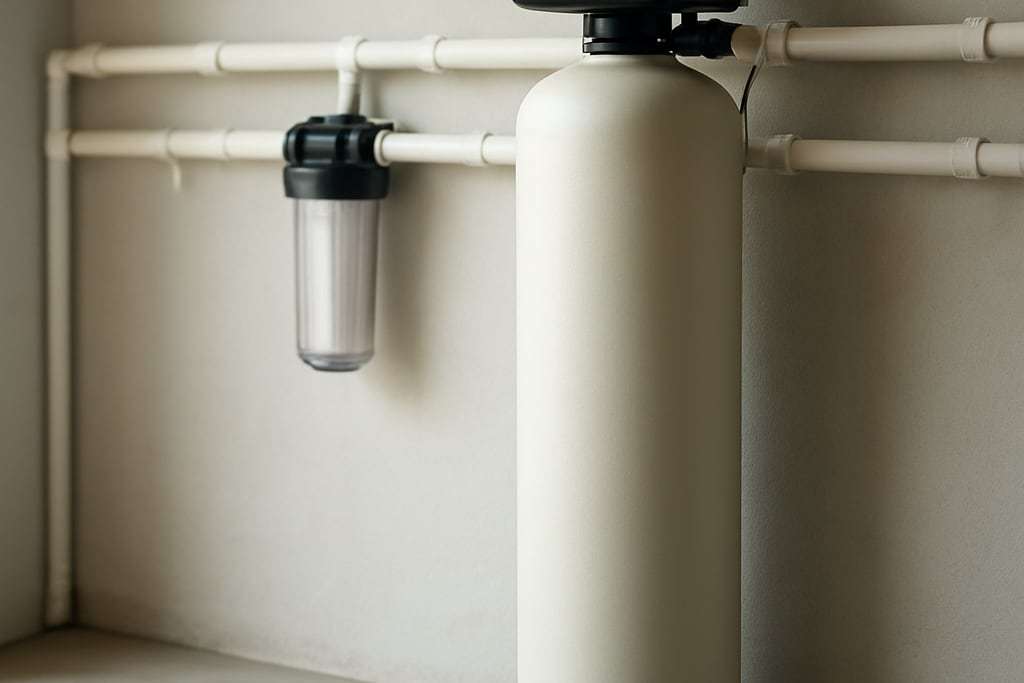
Equipment order and bypass valves are set by local code and the plumber’s design. A common overview is a sediment filter at the point of entry, iron treatment where needed, then the softener. That is an overview, not an install guide, so ask the plumber to show where the bypass goes. You will need it to service the softener without cutting water to the heater. The bypass valve guide explains what a bypass is for.
Mistakes to avoid
- Buying a softener before getting the heater’s limit. Ask the maker for its figure first.
- Choosing a salt-free conditioner for a heater that needs soft water. It does not remove hardness, so it does not meet that rule.
- Sizing by the grain label alone. Capacity depends on salt setting and daily use.
- Ignoring iron. Iron above a softener’s rated limit reduces its effectiveness, and red iron clogs resin.
- Paying for an electronic descaler on a payback promise. The EDV2 page claims a one-year payback but gives no supporting data.
Next steps
For salt-based models, read the best water softener guide. If you are leaning toward a conditioner, the salt-free picks list the input limits you must meet first. For the basics of hardness and treatment, start with hard water treatment.
Frequently asked questions
Does a tankless water heater need a water softener?
It depends on your hardness and on the heater maker's rules. If the manual or warranty sets a hardness limit that your water exceeds, a softener is the device that removes hardness. If the manual gives no limit, ask the maker in writing what water it accepts, and keep the reply with your warranty papers.
Will a salt-free conditioner protect a tankless heater?
Only if the heater's maker accepts water that still contains its hardness. SpringWell says its FutureSoft conditioner prevents up to 95% of scale buildup, but that is the brand's claim with no independent test shown. The $215 American Valve ScaleRX lists a 76% scale rating from IAPMO R&T, which still leaves some scale. Nebraska Extension says conditioners do not remove most hardness minerals. Get the maker's answer in writing before you rely on one.
What hardness is too high for a tankless heater?
That is the heater maker's number to give, and it can differ between brands, so look in the manual and warranty. As a general yardstick, extension guides say people usually notice hardness problems above about 6 to 7 grains per gallon, and the five-band scale calls 7 to 10.5 grains per gallon hard.
How big a softener do I need?
Use the Penn State method: gallons per person per day, times household size, times hardness in grains per gallon, gives grains removed per day. Divide the unit's capacity by that figure to get days between regenerations. Penn State's example is 4 people, 75 gallons each and 10 grains per gallon, or 3,000 grains a day.
Should I install a filter before the softener?
Penn State recommends a sediment filter at the point of entry, and says oxidized, red iron clogs softener resin, so that iron has to be filtered out first. Confirm the order and the bypass with a licensed plumber and your local code.