The short answer
Hard water is mostly dissolved calcium and magnesium. Start by measuring hardness in grains per gallon, then check iron and manganese, because they decide which equipment will work. A salt-based softener removes hardness. A salt-free conditioner does not remove it.
Hard water is water with a lot of dissolved calcium and magnesium. Treatment starts with a number, not a product. Measure the hardness, check the iron and manganese, and then choose between removing the hardness with a softener and leaving it in the water with a conditioner. This guide explains how to read the numbers and what each option can and cannot do, based on extension guidance and manufacturer pages.
It is not based on our own testing of any product.
What hard water is and how hard is hard
Hardness is mostly dissolved calcium and magnesium, reported as calcium carbonate. It is measured in grains per gallon (gpg) in the United States and in parts per million (ppm) or milligrams per liter (mg/L) elsewhere. One grain per gallon is 17.1 ppm, so the conversion is a simple division. Nebraska Extension, Penn State and NDSU all use the same conversion.
The usual five-band scale, from Nebraska Extension and Penn State, looks like this:
| Class | Grains per gallon | ppm (mg/L) |
|---|---|---|
| Soft | Under 1.0 | Under 17.1 |
| Slightly hard | 1.0 to 3.5 | 17.1 to 60 |
| Moderately hard | 3.5 to 7.0 | 60 to 120 |
| Hard | 7.0 to 10.5 | 120 to 180 |
| Very hard | Over 10.5 | Over 180 |
NDSU says people typically notice problems above about 6 to 7 grains per gallon. That is a useful point for deciding whether treatment is worth the cost, but it is not a safety limit.
Signs to look for
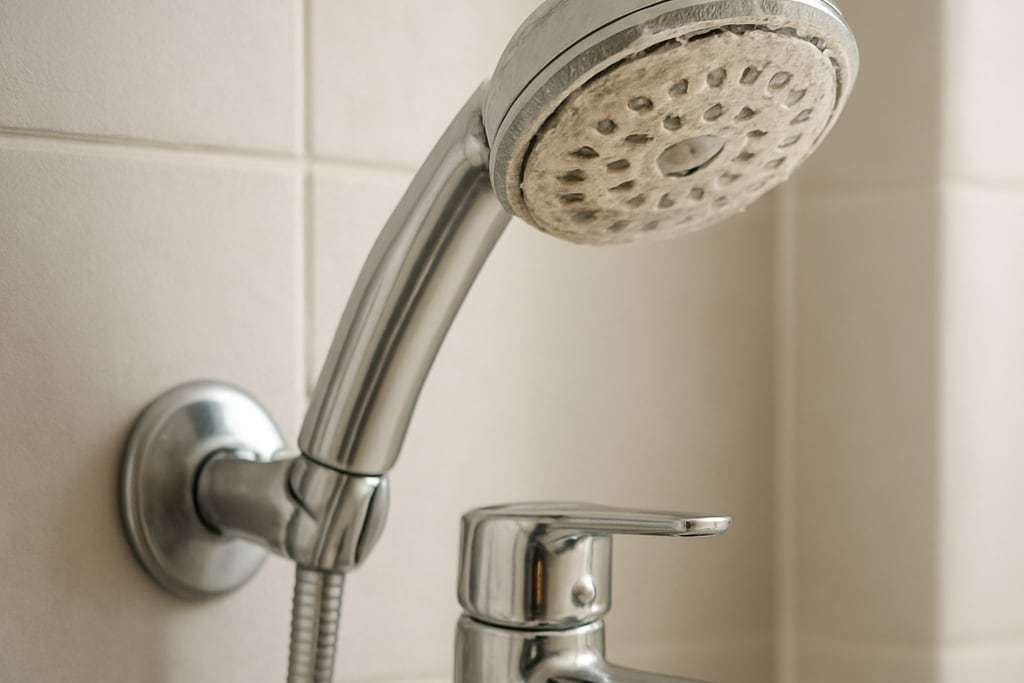
The clearest signs of hard water are on glass, fixtures and laundry. Spots appear on glassware after it dries. Soap and shampoo lather poorly, and water does not feel slick between your fingers. The brand pages for salt-free conditioners describe the same symptoms, which tells you what a conditioner will leave behind.
Scale is the mineral deposit hard water leaves in pipes and on heating surfaces. A test gives you a better basis for a decision than the symptoms do.
Get the number first
For city water, ask your utility for its hardness figure. If it cannot give one, or you want a figure for your own tap, test the water. A lab test is the most useful, because it also reports iron, manganese and pH. Nebraska Extension advises a lab test for dissolved versus total iron, manganese, pH and hydrogen sulfide before choosing equipment.
For a private well, use a state-certified lab. The EPA recommends an annual test for total coliform bacteria, nitrate, total dissolved solids and pH, plus other tests for anything you suspect. The well water testing guide explains the full list.
Your treatment options
| Option | Removes hardness? | What it does | Limits to know |
|---|---|---|---|
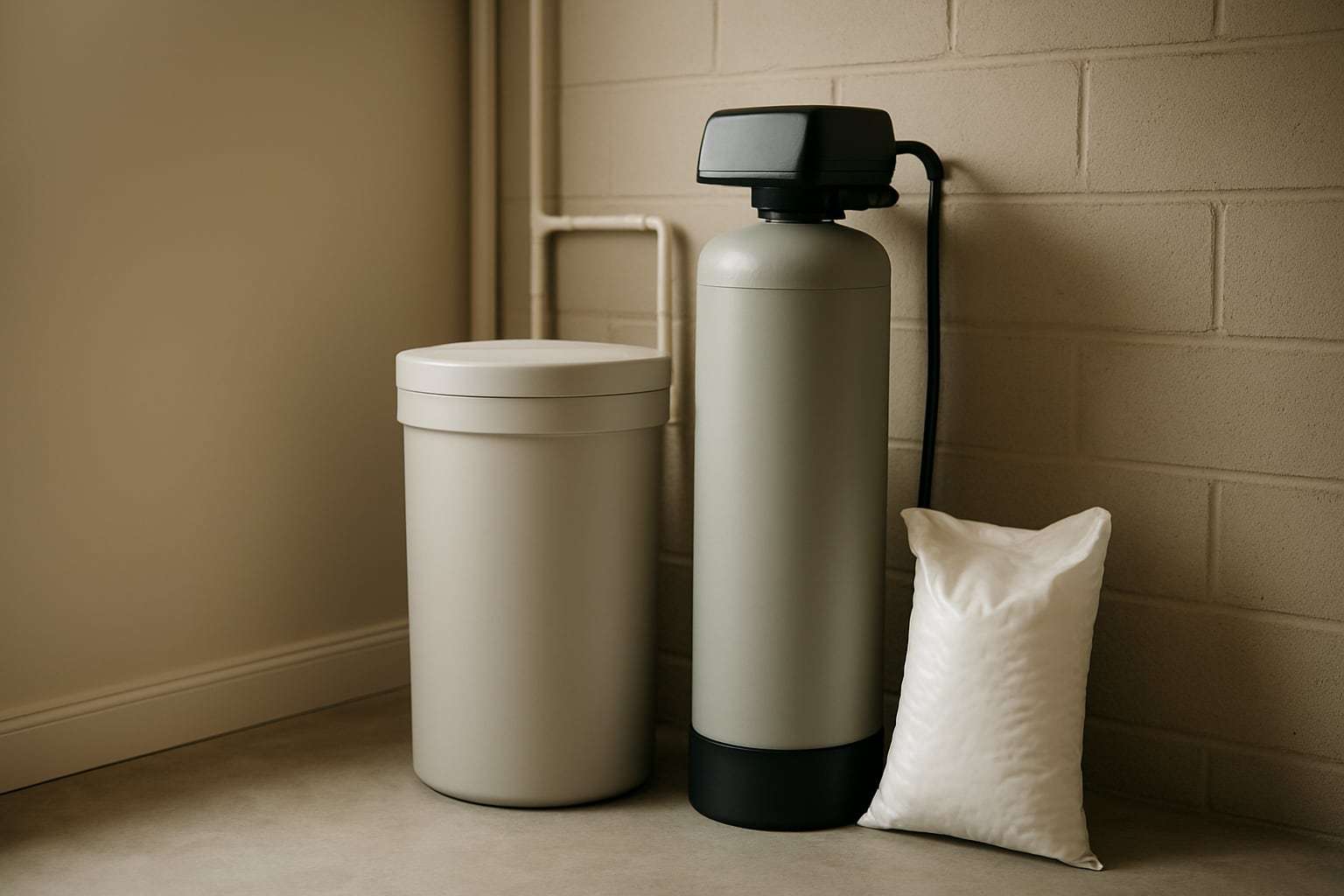
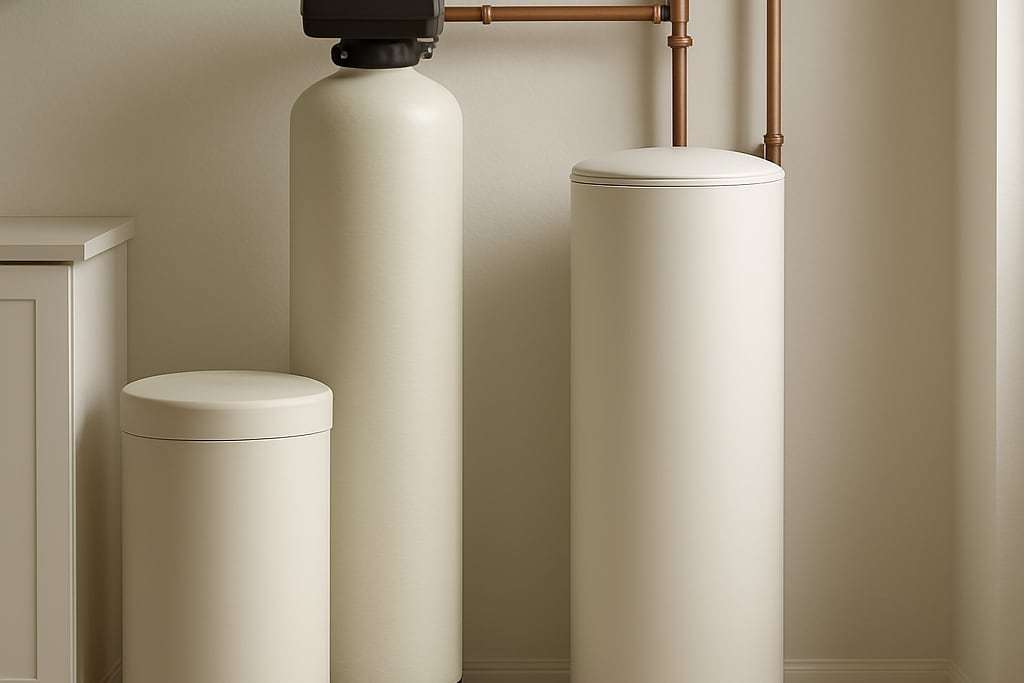
| Salt-based softener | Yes | Swaps calcium and magnesium for sodium, and regenerates with salt | Iron above the unit’s rated limit; adds sodium; about 50 gallons per regeneration |
| Salt-free conditioner | No | Converts or conditions the minerals so they stay in the water | Scale benefit not independently confirmed; strict input limits |
| Electronic or magnetic descaler | No | Brand claims reduced scale | Nebraska Extension calls magnetic treatment unproven |
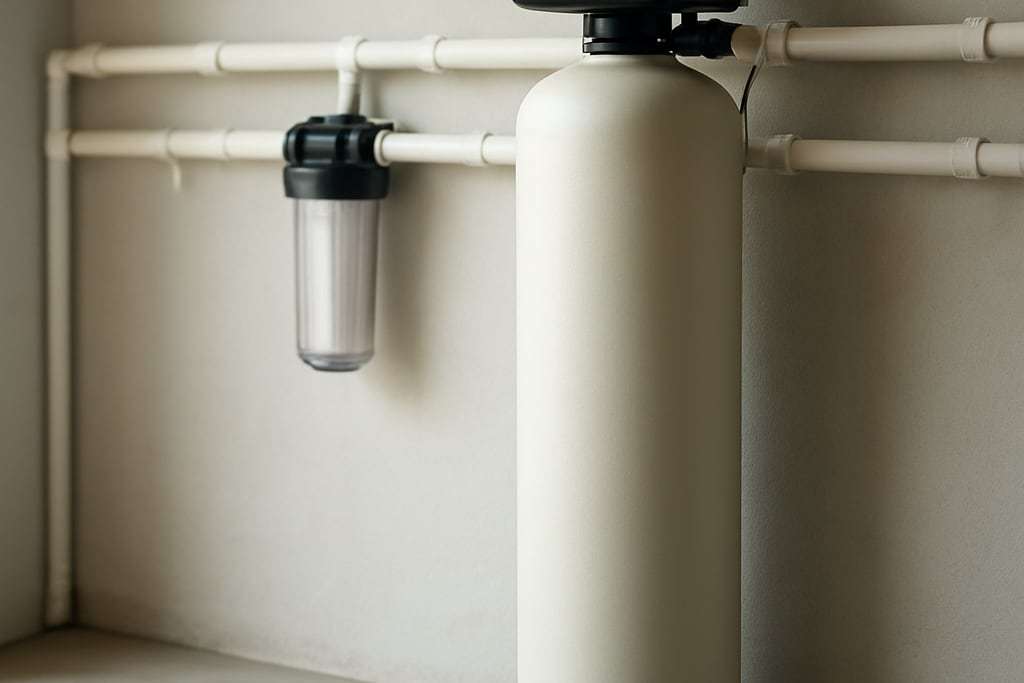
| Iron filter | Not a hardness step | Removes iron, manganese or hydrogen sulfide before other equipment | Depends on the level and form of iron |
The best water softener guide covers salt-based models, and the salt-free picks cover conditioners. Browse every model on the comparison page.
What to do first
Work through the steps in order.
- Measure hardness. Get a grains-per-gallon figure from the utility or a lab.
- Measure iron and manganese. Dissolved iron is clear when drawn and turns reddish-brown when it meets air. Nebraska Extension says standard softeners can handle some dissolved iron, but the unit’s own rated limit decides how much. Iron that has already oxidized needs filtering before the softener.
- Treat iron first if it is above the limit. The iron in well water guide explains the treatment ladder by level.
- Decide whether you need soft water. If you do, size a softener. The water softener size calculator uses the Penn State formula.
- If you only need scale protection, weigh a conditioner against the brand’s own claims and check its input limits. The salt-free picks show which one has an independent scale test.
- Confirm the install. Local code and a licensed plumber decide where equipment goes and whether a permit is needed.
What treatment costs
Costs vary by source, so treat these as ranges rather than quotes. Bob Vila lists salt-based systems at $500 to $3,000 installed, and salt-free systems at $800 to $4,000 installed. Its annual maintenance figure is $100 to $300. Penn State puts softener hardware alone at about $500 to $1,500. Iron and sulfur equipment is priced separately, so if you need it, see the iron filter guide before you compare totals. Ask for installed prices from two or three local installers before you decide.
What a softener adds and what it costs to run
A salt-based softener swaps hardness for sodium, at about 8 mg/L of sodium for each grain per gallon removed, so 10 gpg adds about 80 mg/L. NDSU notes that you can leave one tap, usually the kitchen, unsoftened for drinking and cooking. If you have a medical reason to limit sodium or potassium, ask your doctor.
Running costs are modest next to the purchase price. Sodium chloride costs about $5 to $10 for a 40-pound bag, and each regeneration uses about 50 gallons of water, which Penn State says can load a septic system. Potassium chloride avoids the added sodium but costs much more and is less efficient.
Mistakes to avoid
- Buying a conditioner expecting soft water. It does not remove the hardness, so soap and spots will not change the way they would with a softener.
- Choosing a softener by its grain count. Capacity depends on the salt setting and on your daily use.
- Skipping the iron test. Nebraska Extension says iron above 5 ppm can reduce a softener’s effectiveness, and red, oxidized iron clogs resin. An iron filter may be needed first.
- Making a large purchase on a guess. Get a lab figure if the decision involves real money.
- Treating a sales claim as a result. Ask the seller what the claim is based on.
Next steps
Once you have a hardness number, the water hardness converter helps you move between gpg, ppm and mg/L. To compare the two main routes side by side, read the water softener vs water conditioner comparison.
Frequently asked questions
What hardness level needs treatment?
Extension guides say people usually notice problems above about 6 to 7 grains per gallon, such as spots and soap that does not lather well. That is a nuisance threshold, not a safety limit. Your own water test and your fixtures, not a single number, should guide the decision.
How do I convert ppm hardness to grains per gallon?
Divide the ppm figure by 17.1. One grain per gallon is 17.1 ppm, so 171 ppm is about 10 grains per gallon. Our hardness converter does the math for you.
Will a salt-free conditioner stop spots on my glass?
Not reliably. The Green Wave page says a conditioner conditions minerals rather than removing them, so spots on glassware may still appear. A salt-based softener removes the hardness, which is what reduces spots.
Do I need a softener if I have city water?
Not always. Hardness depends on where the water comes from. Ask your utility for its hardness figure, or test the water yourself. If the number is high enough to notice, a softener is sized by hardness, daily water use and flow rate.